
National security is often associated with government agencies, defense organizations, and intelligence operations. However, in today’s interconnected digital environment, national security has become a shared responsibility that extends far beyond government institutions.
Businesses, technology providers, infrastructure operators, and service organizations all play a role in protecting critical information and systems. As cyber threats continue to evolve, organizations are increasingly expected to comply with national security regulations, standards, and frameworks designed to protect sensitive data and critical infrastructure.
National Security Compliance is no longer just about meeting regulatory requirements. It is about ensuring that organizations can protect information assets, maintain operational resilience, and contribute to the broader security interests of the nation.
Understanding National Security Compliance
National Security Compliance refers to the policies, procedures, controls, and practices that organizations implement to meet government-mandated security requirements.
These requirements are designed to safeguard critical infrastructure, sensitive information, communication networks, and digital services from threats such as cyberattacks, espionage, sabotage, and unauthorized access.
Organizations operating in sectors such as defense, telecommunications, healthcare, energy, transportation, banking, and technology are often subject to strict compliance obligations.
The objective is simple: ensure that systems, processes, and personnel can adequately protect information and maintain operational continuity even during security incidents.
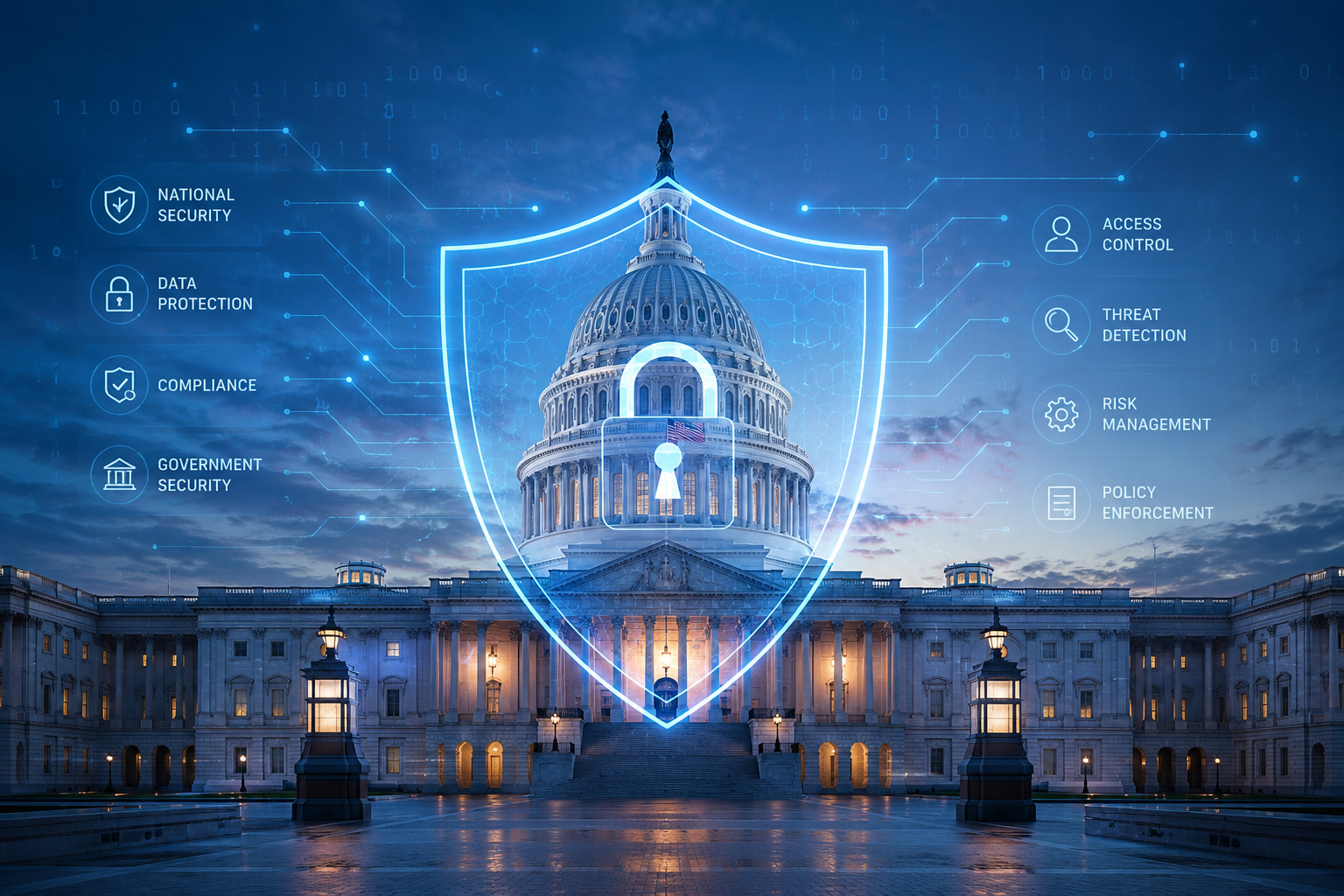
Why National Security Compliance Is Important
The consequences of failing to meet national security requirements can be severe. Beyond financial penalties and regulatory action, organizations may face reputational damage, operational disruption, and increased exposure to cyber threats.
Compliance helps organizations:
- Protect sensitive information
- Reduce cybersecurity risks
- Strengthen operational resilience
- Meet regulatory obligations
- Improve stakeholder confidence
- Enhance incident response capabilities
In many cases, compliance initiatives also help organizations improve overall cybersecurity maturity and governance practices.
As cybercriminals and state-sponsored threat actors become increasingly sophisticated, maintaining strong security controls is no longer optional. It is a fundamental business requirement.
Key Areas of National Security Compliance
Organizations pursuing compliance must address several critical areas.
Information Security
Sensitive information must be protected throughout its lifecycle. This includes proper data classification, encryption, secure storage, and controlled access.
Access Management
Only authorized individuals should have access to critical systems and information. Strong authentication mechanisms and role-based access controls are essential.
Risk Management
Organizations must continuously identify, assess, and manage security risks that could impact business operations or national interests.
Incident Response
Security incidents can occur despite strong defenses. Having a documented and tested incident response plan enables organizations to respond quickly and minimize damage.
Supply Chain Security
Third-party vendors and suppliers can introduce security risks. Compliance frameworks increasingly require organizations to assess and monitor the security posture of their partners.

Common Challenges Organizations Face
Many organizations understand the importance of compliance but struggle with implementation.
One common challenge is the rapidly changing threat landscape. New vulnerabilities and attack techniques emerge constantly, requiring organizations to adapt their security programs.
Another challenge is balancing security requirements with business objectives. Security controls must be effective without creating unnecessary operational burdens.
Organizations also face difficulties related to:
- Limited cybersecurity expertise
- Legacy systems
- Complex regulatory requirements
- Third-party risk management
- Budget constraints
- Employee awareness gaps
Addressing these challenges requires a structured and risk-based approach to compliance.
The Role of Technology in Compliance
Technology plays a significant role in supporting national security compliance efforts.
Modern security solutions help organizations automate monitoring, detect suspicious activities, manage vulnerabilities, and generate compliance reports.
Common technologies include:
- Security Information and Event Management (SIEM)
- Endpoint Detection and Response (EDR)
- Identity and Access Management (IAM)
- Data Loss Prevention (DLP)
- Security Orchestration and Automation platforms
- Threat Intelligence Solutions
While technology is important, successful compliance also depends on governance, policies, employee awareness, and executive support.
Building a Strong Compliance Program
Organizations seeking to strengthen their compliance posture should begin with a comprehensive assessment of their current security environment.
A successful compliance program typically includes:
Security Assessment
Evaluate existing controls, policies, and procedures to identify gaps.
Risk Evaluation
Determine which threats could have the greatest impact on business operations and critical assets.
Policy Development
Establish clear security policies aligned with regulatory requirements.
Employee Awareness
Provide ongoing security training to ensure employees understand their responsibilities.
Continuous Monitoring
Monitor systems and controls regularly to identify emerging risks and compliance issues.
Periodic Audits
Conduct regular audits to verify compliance and support continuous improvement.

Looking Ahead
National security requirements will continue to evolve as technology advances and cyber threats become more sophisticated.
Organizations that take a proactive approach to compliance will be better positioned to protect sensitive information, maintain customer trust, and respond effectively to emerging threats.
Rather than viewing compliance as a regulatory obligation, businesses should consider it a strategic investment in resilience, security, and long-term success.
Conclusion
National Security Compliance is about more than meeting regulations. It is about protecting critical assets, strengthening operational resilience, and supporting the broader security ecosystem.
Organizations that invest in robust security controls, effective governance, employee awareness, and continuous improvement are better equipped to navigate today’s complex threat landscape.
As cybersecurity risks continue to grow, a strong compliance framework provides the foundation needed to safeguard information, maintain business continuity, and build confidence among customers, partners, and stakeholders.