
Every day, organizations collect, process, and store vast amounts of personal information. From customer details and employee records to payment information and behavioral data, businesses rely heavily on data to operate efficiently and deliver better services.
However, as the volume of collected information continues to grow, so do concerns about privacy, security, and responsible data handling. Customers today are more aware than ever of how their personal information is being used. At the same time, governments worldwide are introducing stricter regulations to protect individual privacy rights.
This is why Data Privacy Compliance has become a critical business priority. It is no longer simply a legal obligation—it is a key factor in building customer trust, protecting sensitive information, and maintaining a strong business reputation.
Understanding Data Privacy Compliance
Data Privacy Compliance refers to the processes, policies, and controls organizations implement to ensure personal information is collected, stored, processed, and shared in accordance with applicable privacy laws and regulations.
Privacy regulations are designed to give individuals greater control over their personal data while requiring organizations to handle information responsibly and transparently.
Compliance frameworks often focus on:
- Data collection practices
- Consent management
- Data storage and protection
- Access controls
- Data sharing procedures
- Breach notification requirements
- Individual privacy rights
Organizations that fail to comply may face regulatory penalties, legal action, financial losses, and reputational damage.

Why Data Privacy Matters More Than Ever
Consumers are increasingly concerned about how businesses use their personal information. News of major data breaches and privacy violations has made privacy protection a significant issue across industries.
When customers provide their personal information, they expect organizations to protect it. If that trust is broken, the consequences can be severe.
Effective privacy compliance helps organizations:
- Protect customer information
- Strengthen trust and loyalty
- Reduce regulatory risks
- Improve security practices
- Enhance business reputation
- Support long-term growth
Privacy compliance is not just about avoiding fines. It demonstrates a commitment to responsible business practices and customer protection.
Common Privacy Regulations Organizations Must Consider
Depending on where they operate, organizations may need to comply with multiple privacy regulations.
Some of the most recognized frameworks include:
GDPR
The General Data Protection Regulation (GDPR) governs the protection of personal data for individuals within the European Union.
DPDPA
India’s Digital Personal Data Protection Act (DPDPA) establishes rules for collecting and processing personal data while protecting individual rights.
CCPA
The California Consumer Privacy Act (CCPA) provides California residents with greater control over how their personal information is used.
Industry-Specific Requirements
Healthcare, financial services, telecommunications, and other industries may have additional privacy obligations based on the sensitivity of the information they manage.
Organizations operating across multiple regions often face the challenge of aligning compliance efforts with various regulatory requirements.
Key Components of a Data Privacy Compliance Program
Successful privacy programs involve more than legal documentation. They require a combination of governance, technology, policies, and employee awareness.
Data Discovery and Classification
Organizations must first understand what information they collect, where it is stored, and how it is used.
Without visibility into data assets, effective privacy management becomes difficult.
Consent Management
Individuals should be informed about how their data will be used and, when required, provide consent before collection or processing.
Access Controls
Access to sensitive information should be limited to authorized personnel based on business requirements.
Data Retention and Disposal
Personal information should not be retained indefinitely. Organizations need clear retention schedules and secure disposal processes.
Incident Response
Privacy incidents and data breaches can occur despite preventive measures. A structured response plan helps minimize impact and meet reporting obligations.
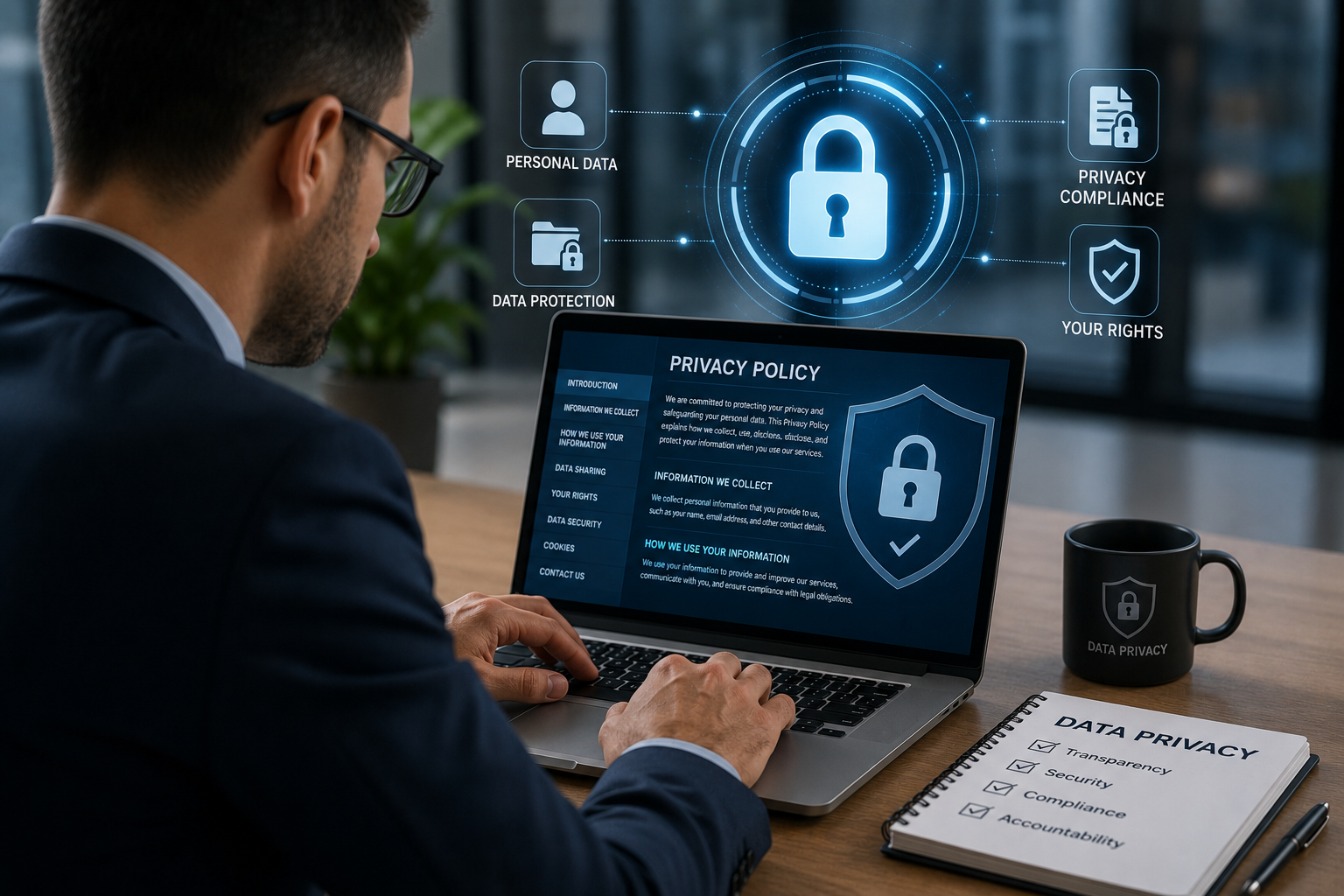
Challenges Organizations Commonly Face
While most organizations understand the importance of privacy compliance, implementation can be challenging.
One common issue is the lack of visibility into personal data. Many businesses collect information across multiple systems, making it difficult to track where data resides.
Other challenges include:
- Managing customer consent
- Meeting evolving regulatory requirements
- Securing third-party data sharing
- Handling cross-border data transfers
- Maintaining accurate privacy documentation
- Responding to customer privacy requests
As organizations adopt cloud services, mobile applications, and digital platforms, privacy management becomes increasingly complex.
The Role of Technology in Privacy Compliance
Technology plays an essential role in supporting privacy initiatives.
Modern privacy management solutions help organizations automate many compliance activities, including:
- Data discovery
- Consent tracking
- Risk assessments
- Access monitoring
- Privacy impact assessments
- Compliance reporting
These tools improve visibility, reduce manual effort, and help organizations maintain ongoing compliance.
However, technology alone is not enough. Effective privacy compliance requires strong governance, employee awareness, and executive support.
Building a Privacy-First Culture
One of the most effective ways to strengthen privacy compliance is to make privacy part of the organization’s culture.
Employees should understand the importance of protecting personal information and recognize their responsibilities.
Organizations can promote a privacy-first culture by:
- Providing regular awareness training
- Establishing clear privacy policies
- Encouraging responsible data handling
- Conducting periodic audits
- Integrating privacy considerations into business processes
When privacy becomes part of everyday decision-making, compliance becomes significantly easier to maintain.

Benefits of Strong Privacy Compliance
Organizations that invest in privacy compliance often experience benefits beyond regulatory adherence.
These benefits include:
- Increased customer confidence
- Improved data security
- Reduced operational risk
- Better regulatory readiness
- Enhanced brand reputation
- Stronger competitive advantage
In today’s business environment, customers are more likely to engage with organizations they trust to protect their information.
Conclusion
Data Privacy Compliance has become a fundamental requirement for organizations operating in the digital age. As regulations continue to evolve and customers become more privacy-conscious, businesses must take proactive steps to protect personal information.
A successful privacy program combines governance, security controls, employee awareness, and ongoing monitoring to ensure information is handled responsibly throughout its lifecycle.
Organizations that prioritize privacy not only reduce compliance risks but also strengthen customer relationships and build long-term trust. In a world where data is one of the most valuable business assets, protecting privacy is no longer optional—it is essential for sustainable success.